
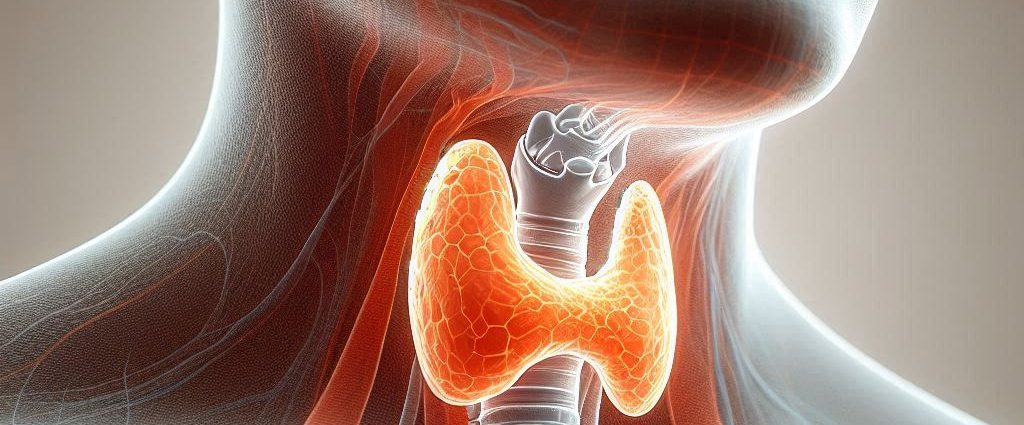
The thyroid is a small, butterfly-shaped gland located at the front of the neck, just below the Adam’s apple. Despite its size, it plays a vital role in regulating many of the body’s essential functions. The thyroid produces hormones that control metabolism, energy levels, body temperature, heart rate, and growth and development. When the thyroid does not function properly, it can affect nearly every system in the body and significantly impact overall health and wellbeing. Guidance from the British Thyroid Foundation highlights its importance to overall health.
What the Thyroid Does
The thyroid gland produces two main hormones, thyroxine and triiodothyronine. These hormones influence how the body uses energy, how fast the heart beats, how the digestive system works, and how the brain and muscles function. Thyroid hormone production is regulated by the pituitary gland and the hypothalamus through thyroid-stimulating hormone. This delicate balance ensures that the body receives the right amount of thyroid hormones to function normally.
Common Thyroid Disorders
Thyroid disorders occur when the gland produces too much or too little hormone or when its structure changes. Hypothyroidism occurs when the thyroid is underactive and does not produce enough hormones. Hyperthyroidism occurs when the thyroid is overactive and produces excessive hormones. Other common thyroid conditions include thyroid nodules, which are lumps within the gland, goitre, which is an enlargement of the thyroid, and thyroiditis, which is inflammation of the thyroid. Thyroid cancer is less common but requires prompt diagnosis and treatment.
Causes of Thyroid Problems
Autoimmune diseases are the most common cause of thyroid disorders. Hashimoto’s disease causes hypothyroidism, while Graves’ disease leads to hyperthyroidism. Iodine imbalance, either deficiency or excess, can affect thyroid hormone production. Certain medicines, such as lithium and amiodarone, can interfere with thyroid function. Infections, pregnancy, radiation exposure, and genetic factors may also contribute to thyroid disease.
Symptoms of Thyroid Disorders
Symptoms of thyroid problems vary depending on whether the gland is underactive or overactive. Hypothyroidism commonly causes fatigue, weight gain, cold intolerance, dry skin, hair loss, constipation, depression, and menstrual irregularities. Hyperthyroidism may cause weight loss, heat intolerance, increased appetite, anxiety, irritability, tremors, palpitations, sweating, and sleep disturbances. Thyroid nodules or goitre may cause a visible neck swelling, difficulty swallowing, or a feeling of pressure in the neck.
Risk Factors for Thyroid Disease
Thyroid disorders are more common in women than in men and risk increases with age. A family history of thyroid disease or autoimmune conditions raises risk. Pregnancy and the postpartum period are times of increased susceptibility. Iodine deficiency, previous thyroid surgery, radiation exposure to the head or neck, and certain chronic illnesses also increase risk.
Diagnosis and Thyroid Testing
Thyroid disorders are diagnosed using blood tests that measure levels of thyroid-stimulating hormone and thyroid hormones. Additional tests may include thyroid antibody tests to identify autoimmune causes. Ultrasound imaging is commonly used to evaluate the size and structure of the thyroid and to assess nodules. In some cases, a fine needle biopsy may be performed to examine thyroid tissue and rule out cancer.
Treatment Options for Thyroid Disorders
Treatment depends on the specific thyroid condition. Hypothyroidism is usually treated with daily thyroid hormone replacement, which restores normal hormone levels. Hyperthyroidism may be treated with medicines that reduce hormone production, radioactive iodine therapy, or surgery to remove part or all of the thyroid gland. Thyroid nodules may only require monitoring, while suspicious or cancerous nodules often require surgery. With appropriate treatment, most people with thyroid disorders can lead healthy, normal lives.
Living With Thyroid Disease
Managing thyroid disease often involves long-term treatment and regular monitoring. Adherence to medication and follow-up appointments is essential to maintain hormone balance. Lifestyle factors such as a balanced diet, stress management, and regular physical activity support overall wellbeing. Emotional support and patient education help individuals cope with the physical and psychological effects of thyroid disease.
Why Thyroid Awareness Matters
Thyroid disorders are common but often underdiagnosed because their symptoms can be subtle or mistaken for other conditions. Awareness promotes early testing, accurate diagnosis, and effective treatment. With timely care and ongoing management, the impact of thyroid disease can be minimised, improving quality of life and preventing serious complications for individuals and communities alike.