
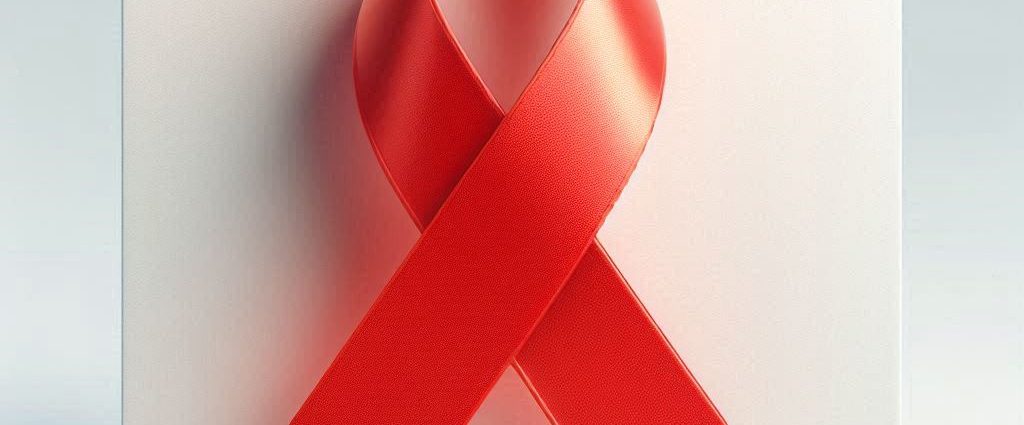
Each year on 1 December, the world observes World AIDS Day, a moment to reflect on the global HIV and AIDS epidemic, honour those lost, and recommit to ending AIDS as a public health threat. You can learn more about the global observance on the World Health Organization website.
-
A global health observance: Established in 1988, World AIDS Day brings together governments, health organisations, communities, and individuals to raise awareness about HIV, promote prevention, support people living with HIV, and remember those who have died of AIDS-related illnesses. Details are available on Wikipedia.
-
Symbol of solidarity: The red ribbon, now synonymous with HIV and AIDS awareness, represents compassion and support. Read more from Time and Date.
-
Call to action: World AIDS Day remains a strong reminder of the global need for improved access to prevention, treatment and care. More information can be found on the WHO campaign page.
Theme for 2025: “Overcoming Disruption, Transforming the AIDS Response”
The World Health Organization has announced the 2025 theme as “Overcoming disruption, transforming the AIDS response.” You can explore the theme on the WHO World AIDS Day 2025 page.
This theme highlights growing concerns that recent disruptions are threatening decades of progress against HIV.
Key issues include:
-
Service disruption: Many regions are experiencing interruptions in HIV testing, treatment, and prevention. More details are available on the UN World AIDS Day page.
-
Funding crisis: Reductions in international funding are slowing progress. You can review this on the UN website.
-
Inequalities: Vulnerable populations, including young women, LGBTQ+ communities, people who use drugs, and incarcerated groups, remain disproportionately affected. Additional information is on the WHO campaign page.
-
Innovation and resilience: Innovations such as long-acting antiretrovirals and community-led interventions offer promising new pathways. Learn more from the WHO World AIDS Day 2025 page.
The Current State of the Epidemic (2024 to 2025)
According to the World Health Organization:
-
Approximately 40.8 million people were living with HIV in 2024.
-
About 1.3 million people became newly infected in 2024.
-
Around 630,000 people died from AIDS-related causes in 2024.
These figures show that HIV remains a major global health challenge.
Key Priorities for Global Action
1. Strengthen Political Leadership and Cooperation
Governments and international bodies must reinforce commitments to funding, strategic planning and cross-border collaboration. See more on the UN observance page.
2. Adopt Human Rights Based Approaches
Punitive laws targeting marginalised groups hinder access to services. Protecting rights is essential for ending new infections. The UN World AIDS Day page emphasises this perspective.
3. Scale Up Innovation
Long-acting injectable treatments and integrated primary healthcare services offer new possibilities for accessible and sustainable HIV care. Learn more from the WHO page.
4. Empower Communities
Communities of people living with and affected by HIV play an essential role in prevention, treatment, and advocacy. More insight is available on the WHO campaign site.
How Individuals and Communities Can Participate
-
Raise awareness: Share accurate information through blogs, social media, and community outreach.
-
Wear a red ribbon: A simple yet powerful sign of solidarity.
-
Promote HIV testing: Encourage regular testing as a gateway to prevention and treatment.
-
Support advocacy: Participate in rights-based movements and encourage leaders to prioritise HIV services.
-
Listen and support: Uplift the voices and experiences of people living with HIV.
Why World AIDS Day Still Matters in 2025
-
Preventing loss of progress: Disruptions threaten hard-won gains, making renewed energy essential.
-
Aligning with the 2030 goal: The world aims to end AIDS as a public health threat by 2030. You can read more on the UN website.
-
Addressing inequality: Ending AIDS requires an unwavering commitment to justice, equity, and human dignity.
And, To Crown it all,
World AIDS Day 2025 provides a crucial opportunity to reflect, act, and revive the global HIV response. With the theme “Overcoming disruption, transforming the AIDS response,” this year calls for unity, innovation, advocacy, and compassion. By working together, the world can move closer to a future where AIDS is no longer a public health threat and every person enjoys the right to health and dignity.