
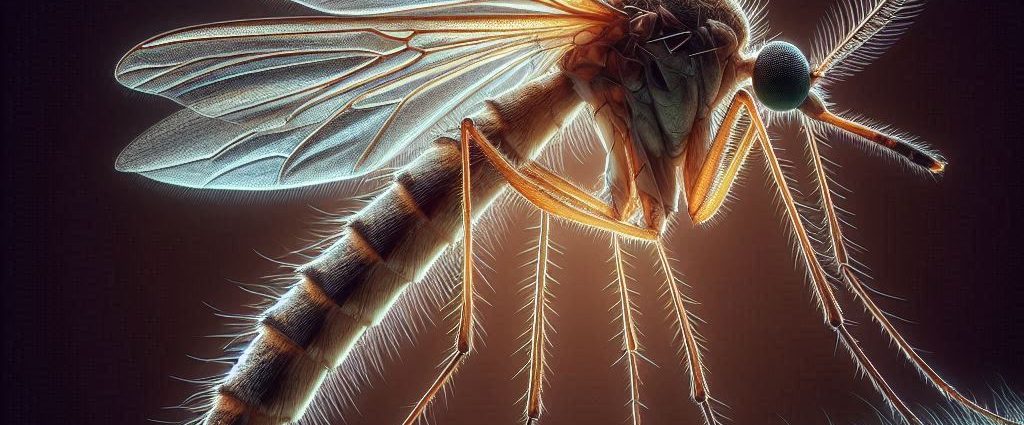
Every year on 25 April, the world observes World Malaria Day, a global initiative led by the World Health Organization to raise awareness about one of the most persistent and deadly diseases in the world.
Despite being preventable and treatable, malaria continues to affect millions of people, particularly across Africa. In 2026, the message is clear: ending malaria requires collective action, innovation, and equitable access to healthcare.
What is World Malaria Day 2026 about?
World Malaria Day focuses on accelerating efforts to control and eliminate malaria globally. The campaign emphasises:
- Expanding access to malaria prevention and treatment
- Strengthening healthcare systems
- Promoting community awareness and early diagnosis
- Supporting innovation in vaccines and treatments
According to the World Health Organization malaria programme, global progress has been made, but challenges remain, especially in high-burden regions.
👉 Learn more from the official World Malaria Day campaign.
Why malaria remains a major health challenge in Africa
Africa carries the highest burden of malaria worldwide. Millions of cases are reported each year, with children under five and pregnant women most at risk.
Key challenges include:
- Limited access to healthcare services
- Delayed diagnosis and treatment
- Inadequate preventive measures
- Rural and hard-to-reach populations
The disease is caused by parasites transmitted through the bites of infected mosquitoes, specifically the Anopheles mosquito.
Without timely treatment, malaria can quickly become life-threatening.
Symptoms of malaria you should not ignore
Recognising malaria early can save lives. Common symptoms include:
- High fever
- Chills and sweating
- Headaches
- Fatigue and weakness
- Nausea and vomiting
If untreated, malaria can lead to severe complications, including organ failure and death.
How malaria can be prevented
Malaria is both preventable and treatable. Prevention remains the most effective strategy.
Key prevention methods:
- Sleeping under insecticide-treated mosquito nets
- Using indoor residual spraying
- Eliminating standing water where mosquitoes breed
- Taking preventive medication when recommended
The WHO malaria prevention guidelines provide detailed recommendations for individuals and communities.
The role of digital health in malaria control
Digital health platforms are transforming how malaria is managed across Africa. They play an important role by:
- Providing access to reliable health information
- Enabling remote consultations with healthcare professionals
- Supporting early diagnosis through digital tools
- Promoting awareness about prevention and treatment
Why early diagnosis and treatment matter
Malaria can be effectively treated if detected early.
Prompt diagnosis:
- Reduces the risk of severe illness
- Prevents complications
- Limits transmission within communities
Access to rapid diagnostic tests and effective antimalarial medicines is critical in reducing malaria-related deaths.
Global efforts to eliminate malaria
Efforts to eliminate malaria include:
- Development of new vaccines
- Distribution of mosquito nets
- Improved surveillance systems
- Increased funding and partnerships
The RTS,S malaria vaccine represents a major breakthrough in protecting children in high-risk areas.
How individuals can support World Malaria Day
Everyone has a role to play in the fight against malaria:
- Raise awareness: Share accurate information about malaria prevention and symptoms.
- Protect your household: Use mosquito nets and maintain a clean environment.
- Seek early treatment: Do not ignore symptoms. Get tested as soon as possible.
- Support community health initiatives: Participate in local health campaigns and outreach programmes.
Key resources on malaria
To learn more, explore:
- WHO World Malaria Day campaign
- WHO malaria fact sheet
- Global malaria programme
- History of World Malaria Day
The future of malaria control in Africa
The fight against malaria is far from over, but progress is possible.
Africa’s success in reducing malaria will depend on:
- Strengthening healthcare systems
- Expanding access to prevention tools
- Leveraging digital health platforms like Orapuh
- Increasing community awareness
A malaria-free future is possible
World Malaria Day 2026 reminds us that malaria is preventable, treatable, and ultimately beatable. With the right tools, awareness, and access to care, millions of lives can be saved. Platforms like Orapuh are helping to make healthcare more accessible, ensuring that no one is left behind in the fight against malaria.