
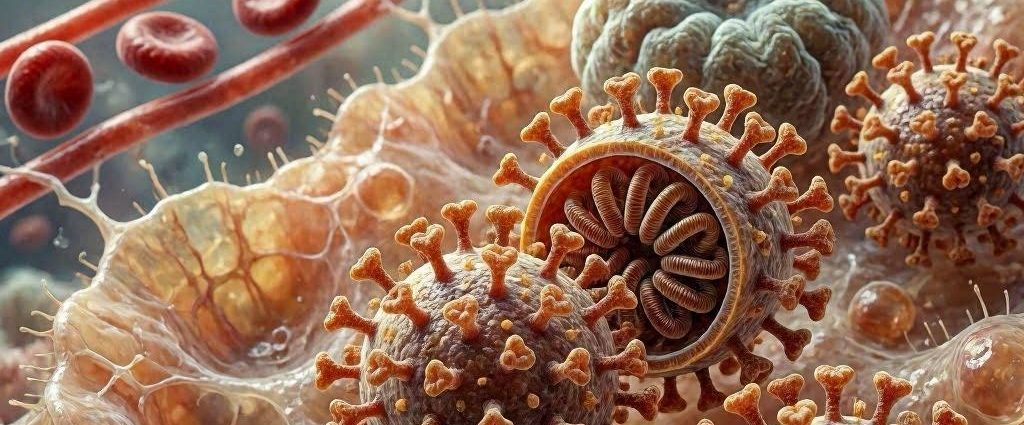
Hantavirus refers to a group of viruses carried by rodents such as mice and rats. Humans usually catch it when they breathe in tiny particles from infected rodent droppings, saliva or urine. The infection can start with mild symptoms like fever, headache and muscle aches but can escalate to life threatening conditions like hantavirus pulmonary syndrome (HPS)or kidney failure. Typically the virus does not pass easily between people, although certain strains, such as the Andes virus, have shown limited human to human transmission. Experts explain the basic transmission and prevention in this WHO fact sheet on hantavirus.
Rodent avoidance and good hygiene are key to prevention. Measures such as sealing up rodent entry points, safely cleaning contaminated areas and improving food storage can cut risk substantially. These precautions are outlined in detail by major health agencies like the Centers for Disease Control and Prevention.
The 2026 Cruise Ship Outbreak That Shocked the World
One of the most dramatic public health stories of 2026 is the rare hantavirus outbreak aboard the Dutch cruise ship MV Hondius. This polar expedition vessel, carrying nearly 150 passengers and crew, departed Ushuaia, Argentina on 1 April 2026 and became the centre of global attention when multiple passengers fell seriously ill. According to the Wikipedia page on the MV Hondius hantavirus outbreak, the ship has recorded several confirmed cases and at least three deaths linked to the virus as of early May.
The outbreak unfolded as passengers reported flu like symptoms that quickly intensified to severe breathing difficulties. Health authorities early in May confirmed the involvement of the Andes virus strain, which is notable because it is one of the few known hantaviruses capable of limited human to human transmission.
International Public Health Response
The World Health Organization (WHO) has been actively monitoring and coordinating responses, assessing the overall risk to the global population as low given the rare nature of human to human spread outside very close contact. Countries around the world, including the United States, United Kingdom, Germany and others, have launched contact tracing and monitoring efforts for passengers who disembarked before the outbreak was confirmed.
In the United States, the CDC issued a formal update on the outbreak, stressing that the risk to the American public remains extremely low while detailing repatriation plans and health guidance for affected travellers.
The Complex Nature of this Outbreak
Cruise ships have unique environmental challenges that can magnify public health concerns. The close quarters and shared facilities make infectious disease control complex, which is why this event captured global headlines and intense scientific scrutiny. It also highlights the need for robust infection prevention strategies even for diseases considered rare.
While hantavirus outbreaks on land are more familiar in rural settings, this maritime cluster underscores how infectious diseases can emerge in unexpected environments and demand coordinated global responses.
Staying Informed and Safe
For travellers and general readers, staying informed through trusted health sources like WHO, CDC and major news outlets is essential. Understanding hantavirus and the unique circumstances of the 2026 cruise ship outbreak helps put the current situation into context and emphasises that vigilance and science based approaches remain our best tools for managing infectious disease risks.
Staying up to date on evolving public health alerts and practising recommended preventive measures can keep individuals and communities safer in the face of rare but serious viral threats.